

When building a 72-hour kit or a bug-out bag, it’s easy to get distracted by the comforting things. We stock up on dozens of character bandages, soothing burn gels, and family-sized packs of ibuprofen.
These items are great for comfort, but comfort won’t save a life in a true disaster.
If you are facing a severe emergency—whether it’s structural collapse from an earthquake, a major vehicle accident, or a severe wilderness mishap—the medical emergencies you face will be fast, messy, and critical.
You need to pack for the worst-case scenario. Here are the five medical items you hope you’ll never have to unpack, but should never leave home without.
1. A Reputable, Windlass Tourniquet
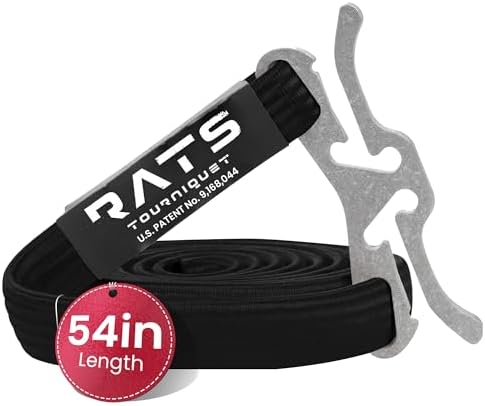
When it comes to severe arterial bleeding from a limb, you have minutes—sometimes seconds—to act. A tourniquet is the ultimate life-saving tool for catastrophic trauma, designed to completely stop blood flow to a limb.
- Why you hope you never need it: It means someone has suffered a catastrophic, life-threatening injury.
- What to look for: Do not buy cheap, unbranded knockoffs. Counterfeit tourniquets are notorious for snapping under pressure. Stick to the gold standard: a Combat Application Tourniquet (CAT) from North American Rescue or a SOF Tourniquet.
- Pro-Tip: Take it out of the plastic wrapper before you put it in your bag. You don’t want to be fighting factory plastic with bloody hands.
Budget-friendly: Military-Grade Tactical Combat Tourniquet
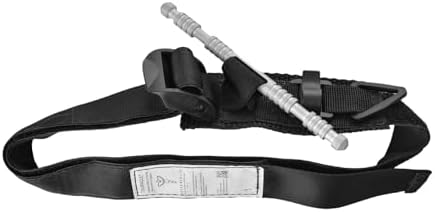
A solid pick: North American Rescue C-A-T Combat Application Tourniquet NAR Genuine

Top of the line: My Medic – RATS Tourniquet System, Quick-Apply Emergency Tourniquet
2. Hemostatic Gauze (Blood-Clotting Agents)
A tourniquet is great for arms and legs, but what happens if the severe bleeding is in a “junctional” area like the groin, armpit, or neck? You can’t put a tourniquet there. That’s where hemostatic gauze comes in.
- Why you hope you never need it: Using it requires “wound packing,” which means physically stuffing gauze deep inside a severe wound to apply direct pressure to the bleeding artery. It is highly effective, but incredibly painful for the patient.
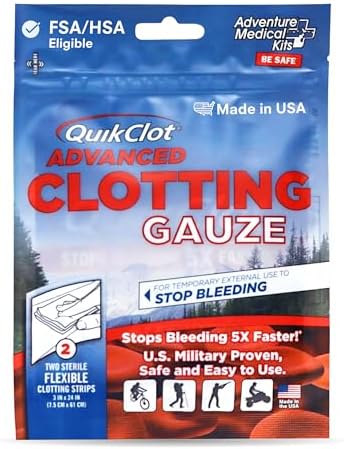
- What to look for: Look for gauze treated with clotting agents, such as QuikClot Combat Gauze or BleedStop.
Budget-friendly: BleedStop™ First Aid Powder for Blood Clotting, Trauma Kit

A solid pick: RHINO RESCUE Hemostatic Gauze Dressing 4″*35″(3ft) for Combat

Top of the line: QuikClot Kaolin Clotting Gauze 2′, 2 Pack
3. A Vented Chest Seal
If a piece of debris, shrapnel, or a sharp object punctures the chest wall, it can cause a condition known as a pneumothorax (or a collapsed lung). Air enters the chest cavity but can’t escape, placing fatal pressure on the lungs and heart.
- Why you hope you never need it: A punctured chest cavity is an immediate, terrifying medical emergency that leads to asphyxiation if left untreated.
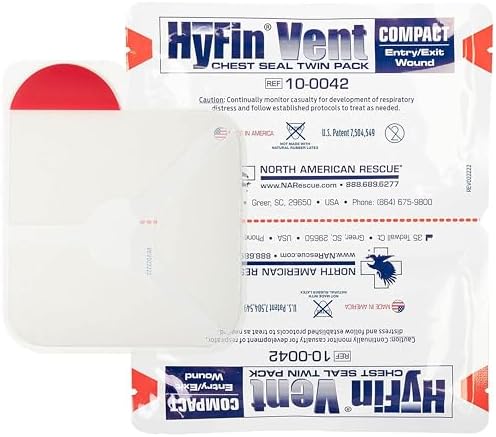
- What to look for: A vented chest seal (like the HyFin Vent from North American Rescue). The one-way valve allows trapped air and blood to escape the chest cavity without letting outside air back in.
Budget-friendly: RHINO RESCUE Vented Chest Seal, IFAK Refill First Aid Supplies (2 Count)

A solid choice: North American Rescue HyFin Vent Chest Seal (Twin Pack) NAR Vented
Top of the line: Halo Chest Seal and Vent Combo, High Performance Occlusive Dressing

4. An Emergency Trauma Dressing (Pressure Dressing)
Once a wound is packed or a severe laceration is cleaned, a standard adhesive bandage won’t cut it. You need a heavy-duty emergency trauma dressing (often referred to as an Israeli Bandage).
- Why you hope you never need it: It is used for large, deep wounds that require continuous, localized pressure to keep the bleeding stopped while you travel toward emergency medical help.
- What to look for: A 4-inch or 6-inch elasticized bandage with a built-in pressure bar. It allows you to wrap a wound tightly enough to act as a secondary defense against severe bleeding, and it can easily be self-applied with one hand.
Budget-friendly: EVERLIT Israeli 6 Inch Emergency Bandage Compression Trauma Pressure

A solid pick: North American Rescue Emergency Trauma Dressing ETD (4 Inch) NAR

Top of the line: Persys Medical First Aid Israeli Emergency Bandage 4″ 2 Pack

5. Heavy-Duty EMT Shears
You can have all the life-saving trauma gear in the world, but it is entirely useless if you can’t get to the wound.
- Why you hope you never need it: In a crisis, exposing a wound quickly is a matter of survival. You won’t have the time or the safety to gently unbutton or unzip heavy clothing.
- What to look for: Skip the flimsy plastic shears found in cheap, dollar-store first aid kits. Invest in a pair of heavy-duty, stainless-steel medical shears (like those from Leatherman Raptor or My Medic). They are designed to effortlessly slice through thick denim, leather boots, seatbelts, and heavy winter coats without cutting the patient’s skin.
Budget-friendly: Trauma Shears strong enough to cut a coin in half

A solid pick: North American Rescue Trauma Shear (7 1/4 Inch) NAR Premium Grade Black

Top of the line: LEATHERMAN Raptor Rescue 6-in-1 Trauma Shears, Black

The Bottom Line: Gear is Nothing Without Training
Tossing these five items into your 72-hour kit is a great first step, but a tool is only as good as the hand holding it. If you truly want to be prepared, consider taking a local “Stop the Bleed” course. They are often free or low-cost, take only a couple of hours, and will give you the hands-on confidence to use these items if the worst day ever arrives. The American Red Cross offers a variety of Training and Certification.
